
Using cloth diapers at daycare starts with the provider's policy, not with buying a bigger diaper bag. Ask whether reusable diapers are accepted, how clean changes must be prepared and how used items must be sent home. Once those details are agreed, build a repeatable handoff that a caregiver can follow without guessing which piece belongs where.
This guide focuses on organising the exchange between home and childcare. It does not replace the provider's hygiene procedures or the instructions supplied with your diapers.
Get answers to four questions first
Before the first day, ask the provider:
- Must each change arrive fully assembled?
- What containers are required for clean diapers and used items?
- How many spare changes should you leave, based on your child's normal routine and the length of the day?
- When must everything be collected and replenished?
Write down the answers. Different facilities may have different requirements, and a routine that works at home may not fit the daycare's procedures. If the provider does not accept your diaper system, resolve that before purchasing additional pieces.
The CDC's childcare diaper-changing guidance describes preparing supplies and separating dirty items as part of a hygienic changing process. Let the provider handle its own changing procedure; your job is to deliver the agreed supplies clearly and consistently.
Separate a complete change from a replacement component
A diaper cover, a liner and an absorbent insert are not automatically interchangeable. Read the instructions for your particular system before assembling anything. A pack quantity does not tell you how many ready-to-use changes you have unless you know which components are included.
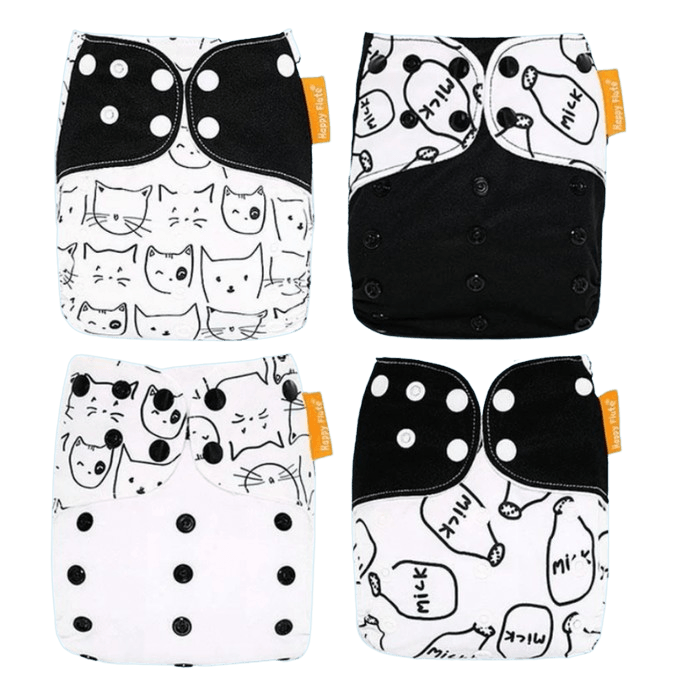
For example, 4 Pack Reusable Diapers and Reusable Baby Diaper Liners are different catalog items. Treat their names as a starting point for identifying the item, not as evidence that every liner fits every diaper or that the pack contains every component you need.
Keep a note of your own working combination. If there are different versions in the household, use labels or separate storage so the day's supply does not become a mix of unmatched parts.
Create one clean-supplies bag
Pack the agreed number of prepared changes in a clean container, followed by the spare clothing requested by the provider. Put loose replacement parts elsewhere so they cannot be mistaken for a complete diaper during a busy change.
A short handoff card can contain:
Child's name: the identifier requested by the provider. Clean changes packed: the number you counted that morning. Spare clothing: the items included. Return container: where used items should go under the provider's policy.
Avoid writing a complicated technique on the card. If staff need a demonstration of an unfamiliar fastening, arrange that directly before the first day rather than relying on a long written explanation.
Make the return-home step part of the routine
Choose a consistent place to unpack away from food preparation and clean supplies. Follow the diaper manufacturer's laundering directions and the provider's instructions for handling returned items. Keep bags and changing supplies out of children's reach.
Check the bag's inventory before preparing the next day's supply. If items repeatedly go missing, simplify the system or improve the labelling rather than assuming you need a much larger collection.
If you are comparing additional parts, review the Liner Insert alongside the instructions for the diaper you actually use. Do not choose it only because an age range in the product name appears to match your child.
Run a rehearsal before a full daycare day
Pack the bag, explain it to another adult and ask them to find a complete clean change and the return container. Any confusion is useful feedback. Remove unnecessary pieces and make the layout clearer.
The goal is a dependable exchange: clean supplies arrive ready, used items return through the agreed process and tomorrow's bag can be packed without a search. That consistency matters more than making the kit look elaborate.